Best Haircare Routine for Bleached or Heat-Damaged Hair
Bleached and heat-damaged hair does not bounce back on its own. It needs a routine that actually targets the problem, not just a random shampoo swap. If your hair feels dry, brittle or straw-like after colour, foils or regular heat styling, here is a proper damaged hair treatment routine you can build step by step, along with a few professional tips that make a real difference.
How to Tell If Your Hair Is Actually Damaged
Before reaching for products, it helps to know exactly what you are dealing with. Common signs of bleached or heat-damaged hair include:
- Dryness that does not improve no matter how much conditioner you use
- Split ends or hair that snaps rather than stretches
- A rough, straw-like texture especially through the mid-lengths and ends
- Dull colour or a lack of shine even straight after washing
- Tangling and knots that were not an issue before
If a few of these sound familiar, your hair needs a repair-focused routine rather than a standard maintenance one.
Building a Bleached Hair Repair Routine
A good repair routine has a handful of core steps used consistently, rather than a shelf full of products used occasionally. Here is the order that actually works.
| Step | What It Does | When to Use |
| 1. Repair shampoo | Cleanses gently without stripping colour or moisture from compromised strands | Every wash, 2 to 3 times a week for bleached hair |
| 2. Repair conditioner | Replaces lost lipids and smooths the cuticle to reduce breakage | Every wash, focus on mid-lengths and ends |
| 3. Hydrating spray | Adds moisture between washes and preps hair before heat styling | Daily, on damp or dry hair as needed |
| 4. Oil serum | Seals the cuticle, adds shine and softens rough or brittle texture | On damp hair before drying, or on dry ends to tame frizz |
| 5. Weekly mask | Deep conditioning treatment for more intensive repair | Once or twice weekly, left on for 10 to 15 minutes |
Step 1: Choose a Repair Shampoo
Start with a sulphate-free shampoo that cleanses without stripping the little moisture your hair has left. This matters even more for bleached hair, where the cuticle is already compromised and holds onto colour and moisture less effectively. Browse our Repair range or our full shampoos and conditioners collection to find a gentle option suited to bleached or over-processed hair.
Step 2: Follow With a Repair Conditioner
Conditioner is where a lot of the actual repair work happens. Focus application on the mid-lengths and ends where damage is usually worst, and avoid piling product onto the scalp where it is not needed. A good conditioner smooths the cuticle so hair looks glossier and detangles more easily straight away.
Step 3: Add a Hydrating Spray
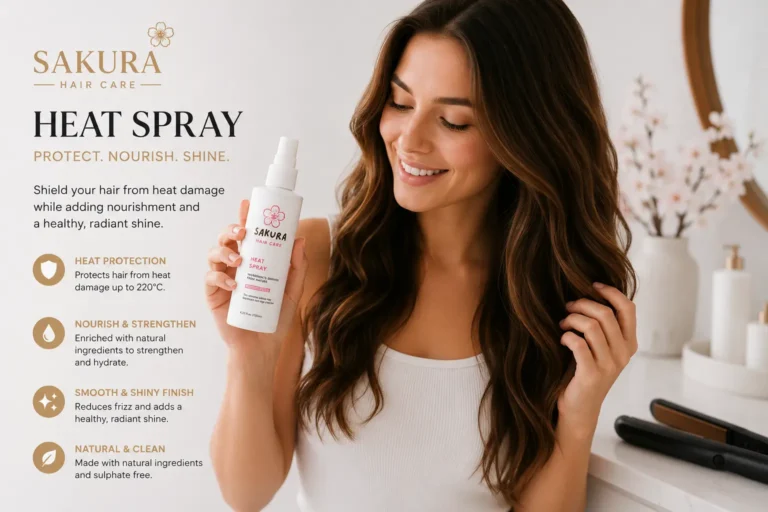
This is the step people skip most often, and it is one of the most useful. A hydrating leave-in spray tops up moisture between washes and gives you a protective base before any heat styling. If you are using straighteners or a blow dryer regularly, a heat protectant spray is non-negotiable rather than optional. Check out our serums and sprays range for hydrating and heat protection options.
Step 4: Finish With an Oil Serum
An oil serum is the finishing step that seals everything in. Applied to damp hair before drying, a lightweight serum smooths the cuticle, reduces frizz and adds shine without weighing hair down. Look for a hair serum for damaged hair that is genuinely lightweight, since heavier oils can leave bleached hair looking greasy rather than glossy. Our Argan Oil Serum from the serums and sprays collection is a good place to start, formulated with Vitamin E for a smooth, glossy finish.
Step 5: Add a Weekly Repair Mask
Once or twice a week, swap your regular conditioner for a deep repair mask. Leave it on for 10 to 15 minutes to let the ingredients actually penetrate the hair shaft rather than just sitting on the surface. Our hair masks and creams range is designed to work alongside your everyday shampoo and conditioner for an extra layer of repair.
Professional Tips for Faster Results
- Wash less often. Bleached hair holds onto moisture poorly, so washing every second or third day rather than daily gives your routine time to actually work.
- Always apply heat protectant, even on low heat settings. Low heat still damages compromised hair over time.
- Turn the water temperature down. Hot water opens the cuticle further and strips out the moisture you are trying to restore.
- Get regular trims. No serum can repair a split end, and trims stop existing splits travelling further up the hair shaft.
- Use a microfibre towel or an old t-shirt instead of a regular towel, since rough terry towelling causes friction damage on wet, fragile hair.
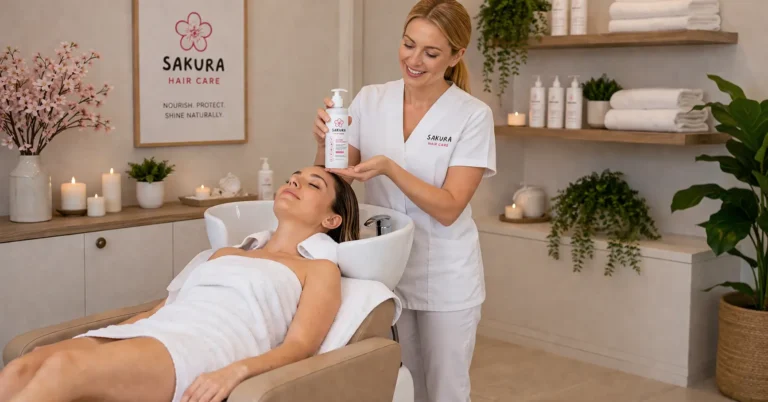
- Book in for a professional scalp and hair treatment periodically. A Japanese head spa style treatment combined with the right professional-use repair products can give bleached or over-processed hair a genuine reset that home care alone cannot match.
Putting Together Your Full Routine
If you would rather not piece together individual products, our hair care packs bundle shampoo, conditioner and treatment products together at a better price than buying separately. It takes the guesswork out of building a routine and makes sure everything is designed to work together rather than fighting against each other.
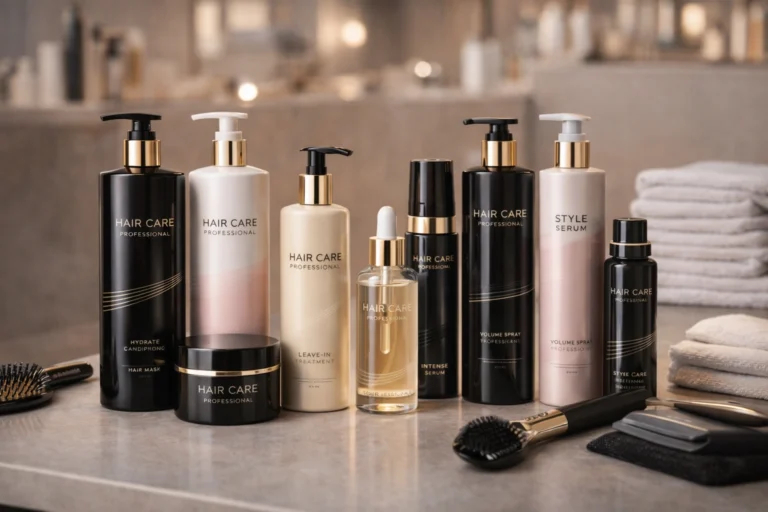
Salon owners and stylists building out a retail shelf or treatment menu around damaged hair repair can also look at our bulk hair care range for wholesale quantities, or get in touch through our contact page to talk through stocking options for your salon.
Frequently Asked Questions
How long does it take to repair bleached hair?
Visible improvement in softness and shine can show up within a few washes of starting a proper routine, but full repair of severely damaged hair can take several months of consistent care alongside regular trims.
Can heat-damaged hair actually be repaired, or only masked?
Hair is not living tissue, so existing damage cannot be reversed at a structural level. What a good routine does is smooth the cuticle, restore moisture and protect against further damage, which makes hair look and feel significantly healthier even though the repair is happening on the surface.
What is the best hair serum for damaged hair?
Look for a lightweight, sulphate-free oil serum containing ingredients like Vitamin E, which smooths the cuticle and adds shine without weighing hair down or leaving it greasy.
Should I use a hair mask if I already use a good conditioner?
Yes. A weekly mask is left on longer and formulated to penetrate more deeply than a rinse-out conditioner, making it a useful addition rather than a replacement for your everyday conditioner.
Is it okay to bleach hair again while it is still damaged?
It is best to wait until hair has had a chance to recover some strength and elasticity before further bleaching. Continuing to lighten already fragile hair significantly increases the risk of breakage.
Do I need a separate heat protectant if my spray is already hydrating?
Check the product label, as not all hydrating sprays include heat protection. If yours does not specifically mention heat protection, it is worth using a dedicated heat spray before styling with hot tools.
Ready to Start Repairing?
A consistent routine with the right shampoo, conditioner, hydrating spray and oil serum makes a genuine difference to bleached or heat-damaged hair. Shop the Repair range to get started, or get in touch with our team if you would like personalised recommendations for your hair.